There are places you visit simply to see, and then there are places you visit to truly experience. Jockey Ridge State Park belongs to the second category.
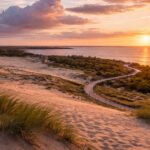
Located in the heart of North Carolina’s Outer Banks, jockey ridge state park is a destination where nature takes center stage. Towering sand dunes rise unexpectedly from the coastal landscape, shaped continuously by wind, weather, and time. These dunes are the tallest natural sand dunes on the entire Atlantic Coast of the United States, making the park one of the most unique natural landmarks in North Carolina.
Unlike traditional state parks filled with forests, waterfalls, or mountains, jockey ridge state park offers wide open space, dramatic skies, and a constantly changing environment. No two visits ever feel the same. The wind reshapes the dunes daily, the light transforms the landscape throughout the day, and each season brings a different personality to the park.
Whether you are visiting for adventure, photography, relaxation, education, or simple curiosity, jockey ridge state park offers an unforgettable experience rooted in nature’s raw beauty.
This complete travel guide explains everything you need to know, including the park’s history, geography, ecosystems, things to do, visitor rules, closed and restricted areas, best seasons to visit, weather considerations, safety tips, and why this park deserves a top place on your Outer Banks travel itinerary.
Where Is Jockey Ridge State Park Located?
Jockey ridge state park is located in the town of Nags Head, within North Carolina’s famous Outer Banks region. Although the park is surrounded by residential neighborhoods, vacation rentals, and beach roads, stepping inside feels like entering a completely different world.
The park sits beside Roanoke Sound, providing both dune landscapes and calm soundside views. Its location makes it easily accessible by road, with on-site parking available for visitors.
Because of its central location in the Outer Banks, jockey ridge state park is one of the most visited and most recognizable North Carolina state parks.
History of Jockey Ridge State Park
Formation of the Sand Dunes
The massive dunes at jockey ridge state park began forming thousands of years ago. Strong coastal winds carried sand inland from the Atlantic shoreline, gradually piling it into large dunes. Over centuries, these dunes grew taller and wider, shaped continuously by wind patterns, storms, humidity, vegetation growth, and changes in sea level.
Unlike desert dunes, coastal dunes are constantly influenced by moisture and storms. This makes the dunes at jockey ridge state park especially dynamic. They slowly migrate over time, sometimes shifting several feet in a single year.
Origin of the Name “Jockey’s Ridge”
Local folklore suggests that early settlers once raced horses along the long ridges of sand, which may have inspired the name “Jockey’s Ridge.” While the exact origin of the name remains uncertain, it has been associated with the dunes for generations and is now inseparable from the park’s identity.
Preservation and Park Establishment
By the mid-20th century, real estate development threatened to level the dunes for construction. Concerned local residents and environmental advocates organized efforts to protect the land. Their work succeeded, and in 1975, the area was officially designated as jockey ridge state park.
This decision preserved one of North Carolina’s most extraordinary natural landscapes and ensured its protection for future generations.
Natural Ecosystems Within Jockey Ridge State Park
One of the most remarkable features of jockey ridge state park is that it contains three distinct ecosystems within a single protected area.
Sand Dune Ecosystem
The central feature of the park is its vast sand dune system. These dunes have minimal vegetation, experience extreme temperature changes, and support specialized insects and microorganisms adapted to harsh conditions. The dunes are constantly shifting, which is why preservation rules are so important.
Maritime Forest
Along the edges of jockey ridge state park, visitors will find maritime forest areas. These sections feature live oak, pine, and wax myrtle trees. The forest provides shelter for birds, small mammals, and other wildlife, and acts as a natural buffer against strong coastal winds.
Estuarine Wetlands (Soundside Area)
The soundside area of jockey ridge state park borders Roanoke Sound. This ecosystem includes calm, shallow waters and salt tolerant vegetation. It supports fish, birds, and aquatic life and offers peaceful views that contrast beautifully with the dramatic dunes.
Together, these ecosystems make jockey ridge state park ecologically significant as well as visually stunning.
Why Visit Jockey Ridge State Park?
Visitors are drawn to jockey ridge state park for many reasons:
- To walk across massive natural sand dunes
- To witness iconic Outer Banks sunsets
- To experience world-class hang gliding conditions
- To enjoy peaceful outdoor recreation close to town
- To photograph dramatic landscapes and skies
- To experience a living, constantly changing environment
Few destinations in North Carolina offer such a powerful combination of adventure, tranquility, and natural beauty.
Things to Do at Jockey Ridge State Park
Hang Gliding
Jockey ridge state park is internationally known for hang gliding. The tall dunes and consistent coastal winds create ideal flying conditions. Certified operators offer lessons, making hang gliding accessible even to beginners. Safety guidelines must always be followed, and flying is permitted only in designated areas.
Sandboarding and Dune Sliding
Sliding down the dunes using boards or sleds is one of the most popular activities at jockey ridge state park. It is enjoyable for both children and adults and offers a unique way to experience the landscape.
Kite Flying
Open space and steady winds make kite flying a favorite activity. On windy days, the sky above jockey ridge state park often fills with colorful kites, adding movement and energy to the scenery.
Hiking and Walking Trails
Short, clearly marked trails guide visitors through dunes, forest edges, and the soundside boardwalk. These trails include educational signs that explain the park’s natural features and history.
Sunset Viewing
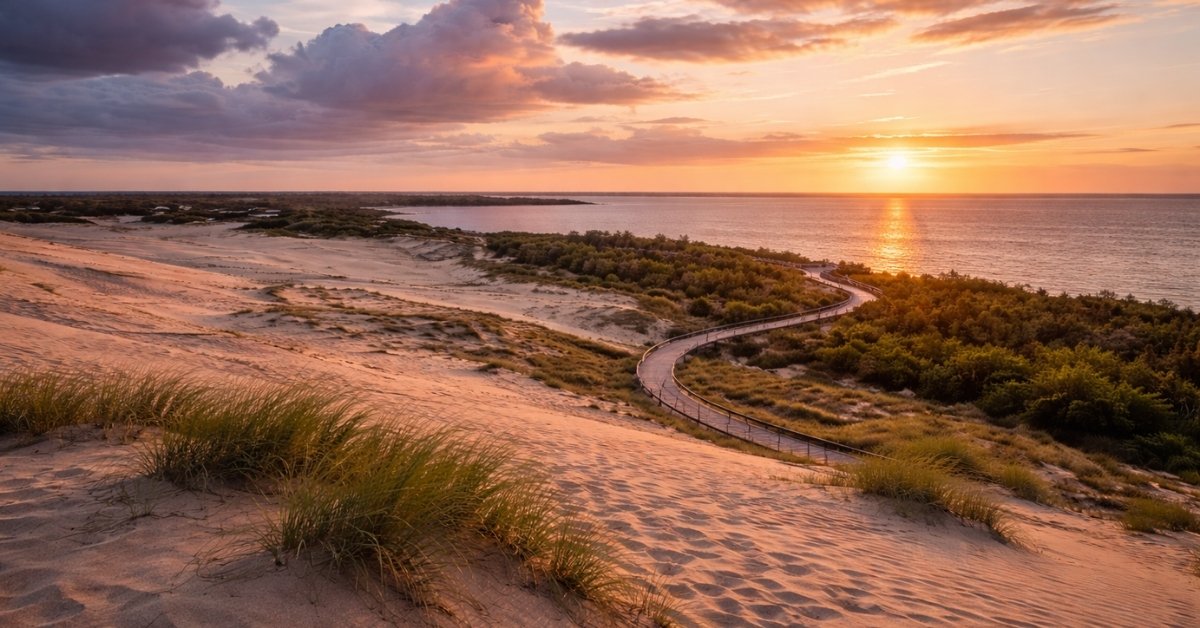
Sunset is the most popular time to visit jockey ridge state park. As the sun sets over Roanoke Sound, the dunes reflect warm colors, creating one of the most beautiful sunset views in North Carolina.
Park Rules and Regulations
Rules at jockey ridge state park are designed to protect visitors and preserve the fragile dune environment.
Environmental Protection Rules
Visitors must not walk on vegetated dunes. These areas are marked and protected because vegetation stabilizes the sand and prevents erosion. Removing sand, plants, or wildlife is strictly prohibited.
Pet Rules
Pets are allowed in jockey ridge state park, but they must remain on a leash at all times. Pet owners are required to clean up after their animals and ensure they do not disturb wildlife or other visitors.
Safety and Conduct Rules
Glass containers are not allowed anywhere in the park. Open fires, grilling, fireworks, and overnight camping are prohibited. Motorized vehicles are not permitted on dunes or trails.
Activity-Specific Rules
Hang gliding is allowed only through authorized operators. Visitors must follow ranger instructions and respect restricted zones established for safety reasons.
Following these rules helps preserve jockey ridge state park for future generations.
Closed and Restricted Areas at Jockey Ridge State Park
Although jockey ridge state park is open daily from sunrise to sunset, some activities and areas are closed or restricted.
No Overnight Camping
Overnight camping is completely prohibited. There are no campgrounds within the park, and all visitors must exit by sunset. This rule prevents dune damage and protects wildlife.
Vegetated Dune Areas
Dunes covered with vegetation are permanently restricted. These areas are clearly marked and must not be accessed. Vegetation plays a critical role in stabilizing the dunes.
Motorized Recreation
All motorized recreational vehicles, including ATVs and dune buggies, are prohibited. These vehicles can cause severe erosion and pose safety risks.
Fires and Grilling
Open fires, bonfires, grilling, and fireworks are not allowed anywhere within jockey ridge state park due to fire risk and environmental damage.
Temporary Weather Restrictions
During extreme weather or unsafe wind conditions, certain areas or activities, including hang gliding zones, may be temporarily closed for visitor safety.
Park Timings and Visitor Information
Jockey ridge state park is open daily from sunrise to sunset. Admission is free, and on-site parking is available. The visitor center operates seasonally. Visitors should plan their activities to ensure they leave the park before sunset.
Best Time to Visit Jockey Ridge State Park
Spring offers mild temperatures and fewer crowds, making it ideal for walking and photography. Summer brings warm weather and is best for soundside activities, though sand temperatures can be high. Fall is widely considered the best season to visit jockey ridge state park due to cooler weather, steady winds, and fewer visitors. Winter is quieter and offers dramatic skies, making it ideal for photography and solitude.
Who Should Visit Jockey Ridge State Park?
Jockey ridge state park is suitable for families, couples, solo travelers, adventure seekers, nature lovers, and photographers. Its open design allows visitors of all ages to explore safely.
What to Bring for Your Visit
Visitors should bring comfortable walking shoes, sunscreen, a hat, plenty of drinking water, a camera or smartphone, and a light jacket for evening visits.
Soundside Access and Water Activities
The soundside area of jockey ridge state park offers calm water access suitable for kayaking, paddleboarding, and birdwatching. This area provides a quieter experience compared to the dunes.
Photography Tips
Golden hour offers the best lighting. Footprints can add scale to dune photographs. Wide-angle lenses capture the vastness of the landscape, while sunset silhouettes create dramatic compositions.
Why Jockey Ridge State Park Is Truly Unique
What sets jockey ridge state park apart is its constantly changing nature. The dunes shift, the light transforms, and the wind reshapes the land every day. It is not a static destination but a living environment shaped entirely by natural forces.
You may also read our blog “25 BEST THINGS TO DO AT LAKE NORMAN PARK (2026 GUIDE)“
Final Thoughts
A visit to jockey ridge state park is more than a sightseeing stop. It is an opportunity to experience nature’s raw power, beauty, and movement. From towering dunes to peaceful soundside views, the park offers a sense of openness and freedom that few places can match.
If you are visiting North Carolina’s Outer Banks, jockey ridge state park is not optional. It is essential.