
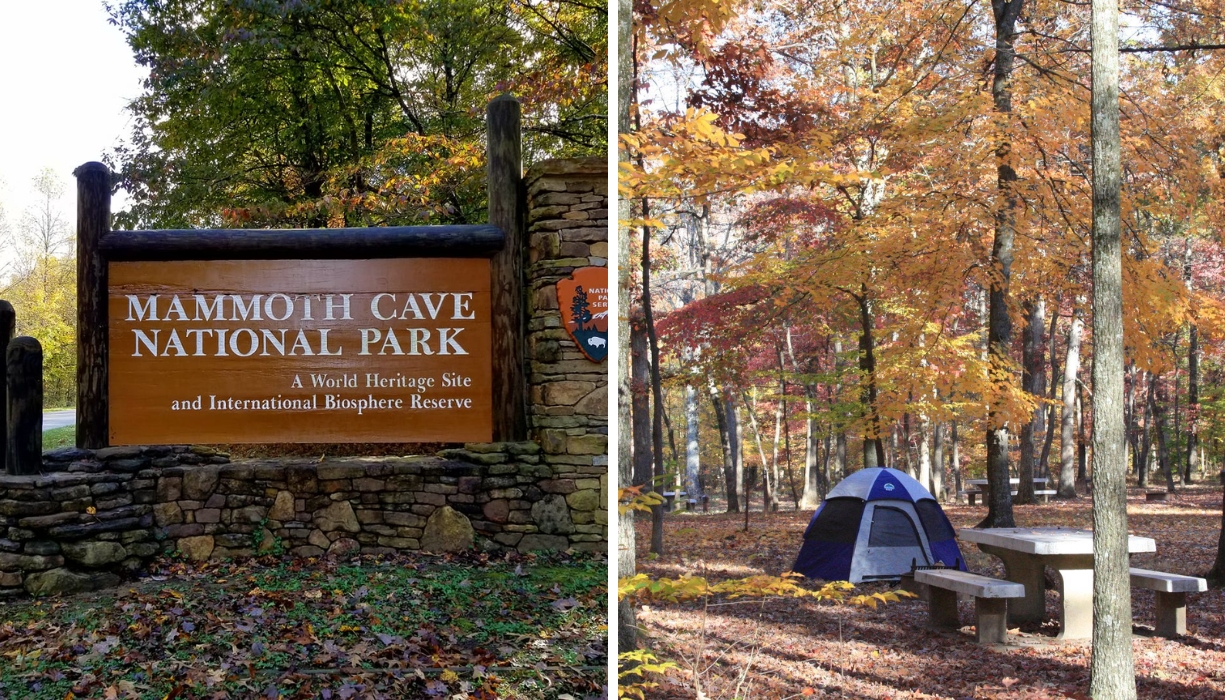
Mammoth Cave National Park is the perfect place for anyone that loves caves, history, and spending time outdoors! To connect with nature, you should consider camping while visiting Mammoth Cave National Park.
There is nothing better than sitting under the stars, roasting marshmallows, and telling stories with your friends. You get to do all of that after spending a fun day exploring the cave!
Do you want to learn more about Mammoth Cave Camping? If so, keep reading to learn about the best campgrounds, what you should pack for your camping trip, and the best things to do at Mammoth Cave National Park.
Disclosure:
This post may contain affiliate links from TripAdvisor, Viator, or Booking.com. We may earn a small commission if you book through these links at no extra cost to you.
Where to Camp
One of the biggest decisions you will have to make when planning your Mammoth Cave camping trip is which campsite you want to stay at.
Some campsites have cabins and fun activities, while others offer a more primitive experience.
Here are some of the campsites we are going to review:
- Mammoth Cave Campground
- Yogi Bear’s Jellystone Campground
- Mammoth Cave Horse Camp
- Singing Hills RV Park
- Double J Stables and Campground
All of these campsites have great features, so let’s dive into it!
Camping Inside the Mammoth Cave National Park
If you want to stay inside Mammoth Cave National Park, the Mammoth Cave Campground could be one of the best options for you. Located 1/4 mile from the Mammoth Cave Visitor Center, you can walk to visit the cave.
Mammoth Cave Campground
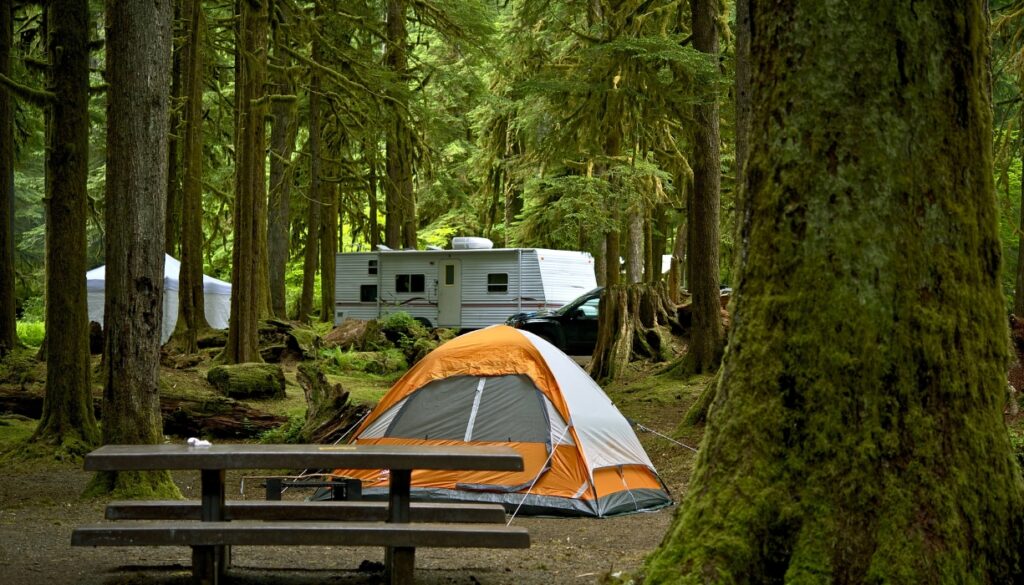
The campground has a combination of tent sites, RV sites, and accessible sites. One of the best things about staying at this campground is that you are in the national park, but you have access to amenities.
The Mammoth Cave Campground has a store, firewood for sale, bathrooms, showers, and even laundry. There is no cell phone service at this campground, but that can give you a nice break from technology! Please note that Mammoth Cave Campground is seasonal and open only from March 1 to November 30 each year.
If you want more privacy while camping in the park, check out Maple Springs Campground and Houchin Ferry Campground. These camping areas require a 10-20 minute drive from the visitor center, but they are more secluded. Maple Springs Group Campground is open seasonally from March 1 to November 30. Houchin Ferry Campground, on the other hand, is open year-round.
There is also the option to go backcountry camping in the national park; just be sure to get permits before you go.
💡 Heads up! In 2025, Maple Springs Group Campground now requires reservations 30 days in advance during peak season.
What is a Backcountry Permit at Mammoth Cave? (And Why You Absolutely Need One)
If you’re dreaming of trading crowded campgrounds for the solitude of Mammoth Cave’s vast wilderness, you need to know about the Backcountry Permit. It’s not just a piece of paper—it’s your key to adventure and a critical tool for your safety and the park’s protection.
What is a Backcountry Permit?
A Backcountry Permit is an official authorization from the National Park Service (NPS) that allows you to camp overnight in the park’s designated primitive zones, away from developed campgrounds.
A Backcountry Permit is a non-negotiable part of responsible adventure. It’s your lifeline for safety, your contribution to conservation, and your ticket to legally experiencing the incredible wildness of Mammoth Cave National Park. Always get one.
Yogi Bear’s Jellystone Campground
Are you looking for a campsite that is straight-up fun? If so, you should consider going to Yogi Bear’s Jellystone Campground at Mammoth Cave.
This campsite has a beach, restaurant, two swimming pools, mini-golf, fishing, and giant jumping pillows! When you aren’t busy exploring the national park, you will have plenty of amenities to keep you busy.
Staying at this campground is a good idea if you like the idea of camping, but you don’t want to sleep in a tent. Yogi Bear’s Jellystone Campground at Mammoth Cave has 93 cabins that have their bathroom and air conditioning.
Mammoth Cave Horse Camp
If you love horseback riding or have a horse, the Mammoth Cave Horse Camp could be perfect for you. This peaceful campground has horse stalls, so you can bring your horse with you.
The Mammoth Cave Horse Camp has more than 60 miles of trails that you can easily access while staying in the campground. That means if you love horseback riding or hiking, you will stay busy for days!
The trails near the campground will lead you to waterfalls, caves, and wildlife. If you love to explore, you can get off the beaten path at this campground.
Singing Hills RV Park
If you are planning on traveling to Mammoth Cave National Park in your RV, you should consider staying at Singing Hills RV Park. This RV park is conveniently located near the highway and close to the national park.
If you choose to stay at Singing Hills RV Park, you will get access to bathrooms, showers, laundry, and internet. You don’t have to worry about leaving your pets at home because Singing Hills RV Park is a pet-friendly campground.
If you enjoy fishing, this RV park has a fishing pond that you can take advantage of. They also have a camp store if you leave any essentials at home.
Double J Stables and Campground

Another great campground near Mammoth Cave National Park is Double J Stables and Campground. This campground is ideal if you want to stay close to the national park and you enjoy horseback riding.
This campground has guided horseback riding tours so if you are new to horseback riding, this is the perfect opportunity to give it a try. The guides teach you everything you need to know and help you if there are problems.
The campground offers everything you will need, including showers, internet, and horse stalls.
What to Pack for Mammoth Cave Camping
When planning your Mammoth Cave Camping trip, you need to make sure you pack all the camping essentials. What you need will depend on if you are staying in a cabin, your tent, or an RV.
Here are some of the basics you will need:
- Camp chair
- Cooler
- Sleeping bag
- Sleeping pad
- Clothing
- Toileties
- Hiking clothes
- Food
- Drinks
- Fire starter
Be sure to bring a jacket if you visit the cave. The cave stays around 54 degrees, so it can be chilly if you don’t have a jacket.
Best Things to Do in Mammoth Cave National Park
In addition to going camping at Mammoth Cave National Park, there are several other great things to do. One of the most popular things to do is exploring the cave.
The national park staff offers a variety of different cave tours, so you can choose the one that’s right for you. From history tours to geology tours, you are sure to find one you will enjoy.
Other popular things to do at Mammoth Cave include exploring the Mammoth Cave hiking trails, horseback riding, fishing, canoeing, and bike riding.
Things you should know in 2025 before planning a visit
- Firewood Quarantine Rule: To protect the pristine forests of Mammoth Cave National Park from invasive pests like the Emerald Ash Borer, transporting outside firewood into the park is strictly prohibited.
Campers must source firewood responsibly by either collecting dead, downed wood within the park where permitted or purchasing certified, heat-treated wood locally at the Caver’s Camp Store to ensure their campfire doesn’t harm the ecosystem. - Campground Seasons and Operations: This is accurate.
- Mammoth Cave Campground and Maple Springs Group Campground are indeed seasonal (typically March – November).
- Houchin Ferry is a primitive, year-round campground.
- The note about occasional loop closures for maintenance is a very important and realistic detail for your readers.
- Green River Ferry Updates: The ferry is highly susceptible to closure due to high water on the Green River, which can significantly alter travel plans and access to the Houchin Ferry campground. Directing campers to check the official Alerts & Conditions page is the best advice.
- Federal Shutdown Alerts: This is a crucial and accurate point. During a federal funding lapse, the national park would close, including all campgrounds and services. Advising visitors to check right before their trip is essential.
Are You Ready to Go Mammoth Cave Camping?
If you are planning a trip to Mammoth Cave National Park, camping is a great option for accommodations. Mammoth Cave camping is a great way to experience the outdoors, relax, and spend quality time with your friends and family.
Do you want to learn more about traveling to Mammoth Cave National Park? If so, check out these other great articles for more tips!
Disclaimer
The information provided in this blog post is intended for general guidance and was accurate to the best of our knowledge at the time of publication. However, policies, seasons, and conditions at Mammoth Cave National Park can change unexpectedly due to weather, maintenance, or federal decisions.
We strongly recommend that you always verify the latest alerts, regulations, and campground status directly with the official National Park Service website before your trip. This is the only way to ensure you have the most current and accurate information for planning your visit.
🎒 Planning your 2025 outdoor adventures?
Bookmark📌this page and check out 5 Best Hikes in Mammoth Cave National Park next!
LOVE This Post?
Want to support us?
Buying us a coffee is a simple way to show your appreciation!
It fuels their inspiration and helps keep amazing stories coming your way. Every cup makes a difference—thank you for being awesome!


